
The Ron Paul Institute for Peace and Prosperity
Subscribe to the Institute View Us on YouTube Follow Us On Twitter Join Us on Facebook Join Us at Google Plus

Search Results

for:

Moon of Alabama

Why Does The World Wage War Against The People Of Yemen?

undefined

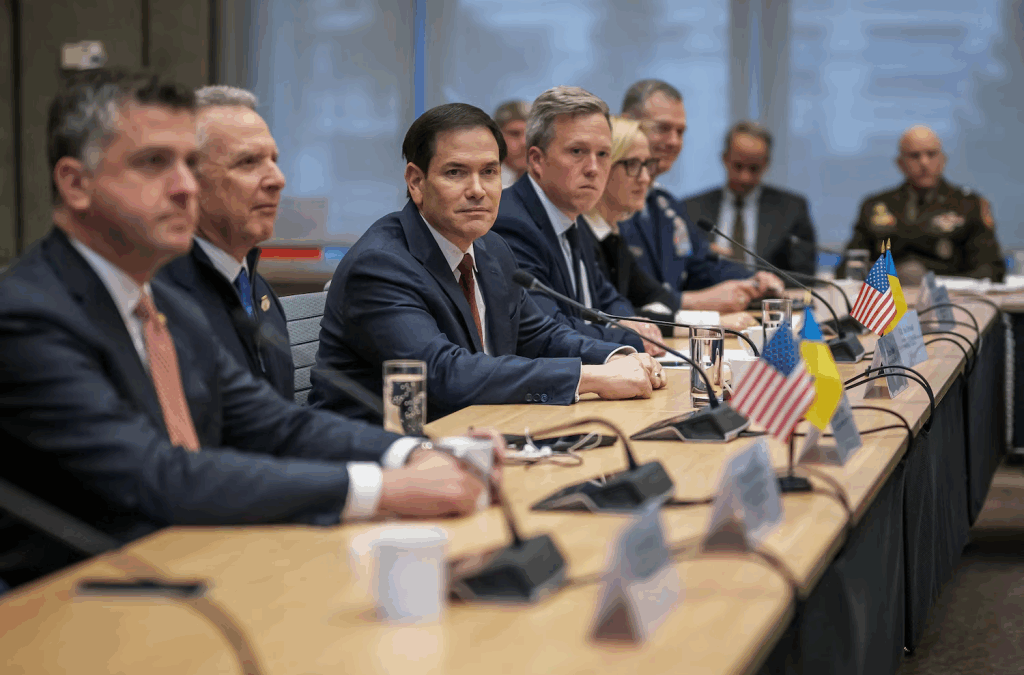
Nearly the whole world, seemingly paid off by Saudi money, is waging war against Yemen.


How else can one explain the silence that surrounds the Saudi bombing campaign that will lead to devastating starvation in Yemen and will turn that country into a second, bigger Gaza?

The sycophantic UN Secretary General Ban Ki Moon kicked out the UN envoy to Yemen, Jamal Benomar, because Benomar did not endorse the Saudi bombing campaign. He will be replaced with the Saudi choice Ismail Ould Cheikh Ahmad from Mauritania:

Previously, in Yemen, Ismail Ould Cheikh Ahmad was “an embarrassment,” as multiple UN sources put it to Inner City Press. But, hey, whatever the Saudis want.
read on...

Obama's Self-Made Foreign Policy Problem

The Obama Administration is talking too much.

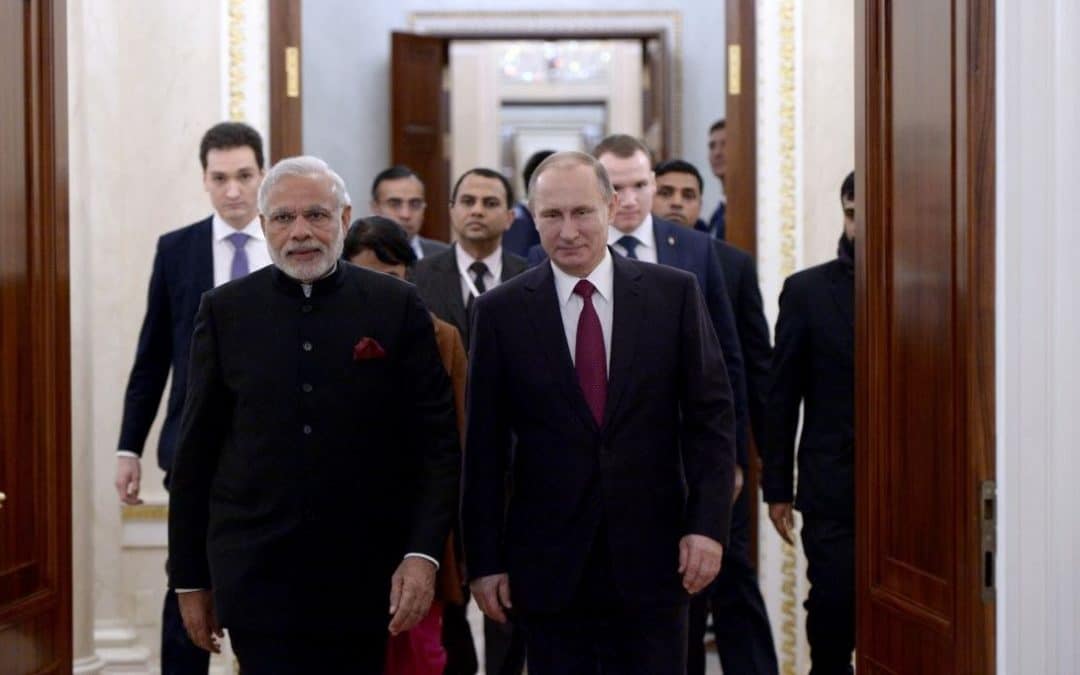
Kerry went to Egypt, delivered money and weapons, and was shown the finger over his human rights laments. Kerry went to Iraq, delivered some military support, and demanded a "unity government." Maliki's government already includes Kurds and Sunnis and he just won elections. So Kerry gets shown the finger. Kerry went to Erbil and demanded that the Kurds stick to Iraq. They have all the oil they want. Kerry gets shown the finger. Obama wants more sanctions on Russia but needs the Europeans to join. But why should the Europeans ruin their economies over this? Obama will be likely shown the finger.


read on...

A Short History of the War on Syria, 2006-2014

Assad Rally

In 2006 the U.S. was at war in Iraq. Some of the enemy forces it very much struggled to fight against were coming in through Syria. The same year Israel lost a war against Hizbullah. Its armored forces were ambushed whenever they tried to push deeper into Lebanon while Hizbullah managed to continuously fire rockets against Israeli army position and cities. Hizbullah receives supply for its missile force from Syria and from Iran through Syria. Its long-term plans to attack Iran and to thereby keep supremacy in the Middle East depend on severing Hizbullah's supply routes. The sectarian Sunni Gulf countries, mainly Saudi Arabia, saw their Sunni brethren defeat in Iraq and a Shia government, supported by Iran, taking over the country.

All these countries had reason to fight Syria. There were also economic reasons to subvert an independent Syria. A gas pipeline from Qatar to Turkey was competing with one from Iran to Syria. Large finds of natural gas in the coastal waters of Israel and Lebanon make such finds in Syrian waters quite plausible.

In late 2006 the United States started to finance an external opposition to Syria's ruling Baath party. Those exiles were largely members of the Muslim Brotherhood which had been evicted from Syria after their bloody uprising against the Syrian state between 1976 and 1982 had failed. In 2007 a plan for regime change in Syria was agreed upon between the United States, Israel and Saudi Arabia. The aim was to destroy the "resistance" alliance of Hizbullah, Syria and Iran:

To undermine Iran, which is predominantly Shiite, the Bush Administration has decided, in effect, to reconfigure its priorities in the Middle East. In Lebanon, the Administration has cooperated with Saudi Arabia’s government, which is Sunni, in clandestine operations that are intended to weaken Hezbollah, the Shiite organization that is backed by Iran. The U.S. has also taken part in clandestine operations aimed at Iran and its ally Syria. A by-product of these activities has been the bolstering of Sunni extremist groups that espouse a militant vision of Islam and are hostile to America and sympathetic to Al Qaeda.

read on...


Authors

Tags