The Cheney-Powell-Rumsfeld-Wolfowitz Strategy: An Evaluation
Thursday October 30, 2014

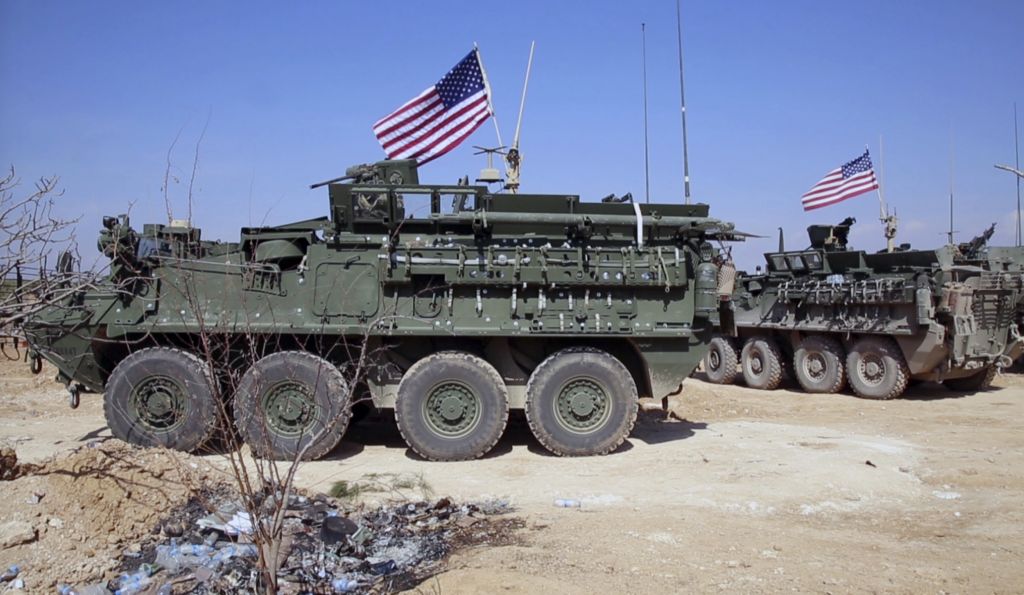
The U.S. never demobilized after the Cold War ended. It constructed new missions for its military. It adopted a new post-Cold War strategy but kept its military forces intact.
Americans received no peace dividend. To the contrary, as the years have passed and America’s wars have proliferated, Americans have expended enormous wealth.
The war policies of Barack Obama and George W. Bush grew out of defense plans of the George H.W. Bush and Clinton administrations. These plans maintained the Cold War mentality. This involved the U.S. constantly being heavily armed against foes and enemies. The Defense Department planners transmuted “Global threats” of the Cold War into “regional challenges and opportunities.” These plans retained a U.S. military force structure suitable for a wartime situation, rather than the actual peacetime situation.
In order to keep the U.S. on a military footing despite being at peace, these plans replaced the Soviet Union with an array of other justifications. They appealed to such goals as maintaining regional stability, being able to fight two wars, defending American overseas interests in natural resources, warding off foreign threats, fighting terrorism and preventing the emergence of rivals. The planners multiplied missions and magnified their importance.
read on...