
Constitutional Q&A: The Legality of Stop and ID Procedures
Wednesday March 29, 2017

We are not supposed to be living in a “show me your papers” society.
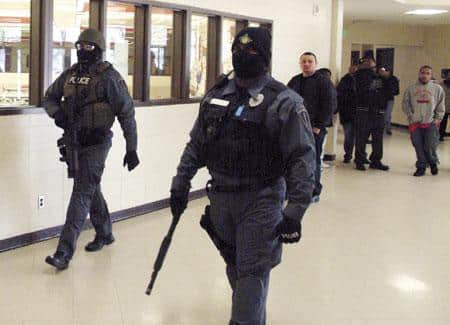
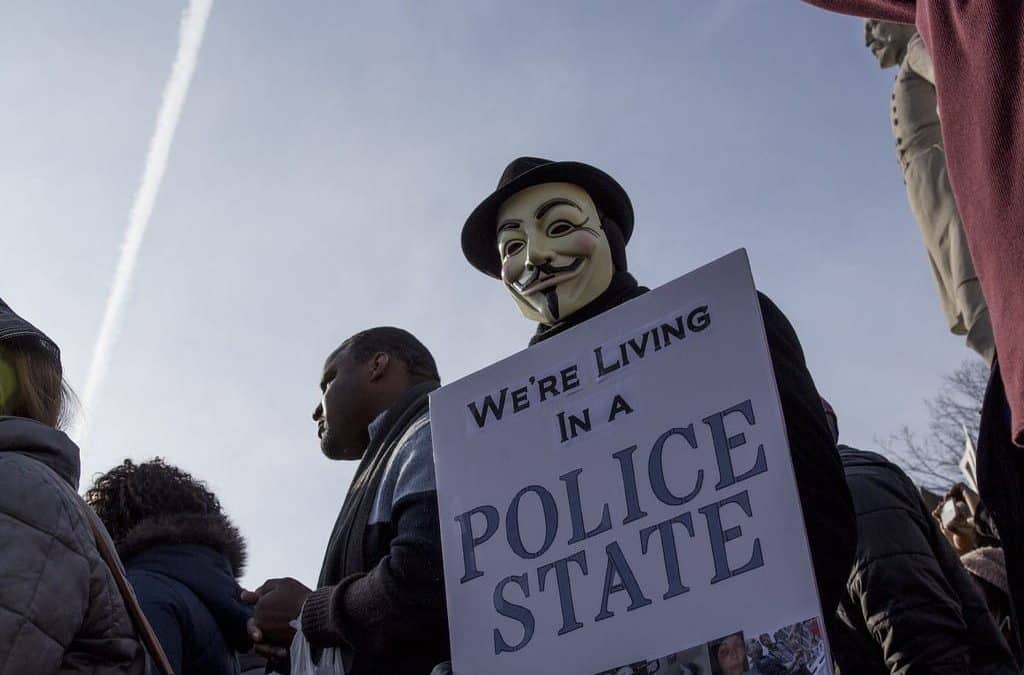
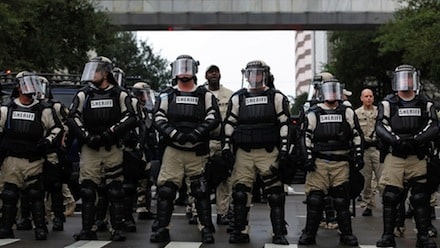
Despite this, the US government has recently introduced measures allowing police and other law enforcement officials to stop individuals (citizens and noncitizens alike), demand they identify themselves, and subject them to patdowns, warrantless searches, and interrogations. These actions fly in the face of longstanding constitutional safeguards forbidding such police state tactics.
In 2017, for example, Customs and Border Protection (CBP) agents boarded a plane at New York’s JFK Airport and demanded that all persons on board show “documents” identifying themselves before they would be allowed to leave the plane.[2] While such a demand might be legal if made to a person trying to cross the border into the United States, it plainly violates the Fourth Amendment’s ban on unreasonable searches and seizures to stop and demand identification from persons who are already legally within the country.
Government agencies insist that such stop-and-ID procedures are necessary to combat illegal immigration, especially at border crossings. But border crossings are unique circumstances in which the government may legally demand that travelers identify themselves and subject them to “routine” searches of their belongings. Nevertheless, the government has opened itself up to serious legal challenges by making the dubious claim that border agents also possess the authority to demand travelers divulge the passwords for their social media accounts and electronic devices in order to search for evidence of wrongdoing, regardless of whether agents have any suspicions whatsoever. By exploiting a loophole in the Fourth Amendment for border searches, government agents are now seeking access to virtually all digital records for the purpose of conducting criminal investigations and intelligence surveillance.
read on...